

There is a unique motorsports bookstore that I would frequent every time I visited Toronto as a teenager. And since I moved to live in the city nearly three decades ago, I would go and visit every few years. I was gratified to see the proprietor still alive last week when I appeared in search of a book listed on his website inventory, but neither of us could find it. He suggested that he could have his son look for it later in the week but I told him it wasn’t important. I happened to be in the neighbourhood and it was an impulse purchase. So I bought something else instead.
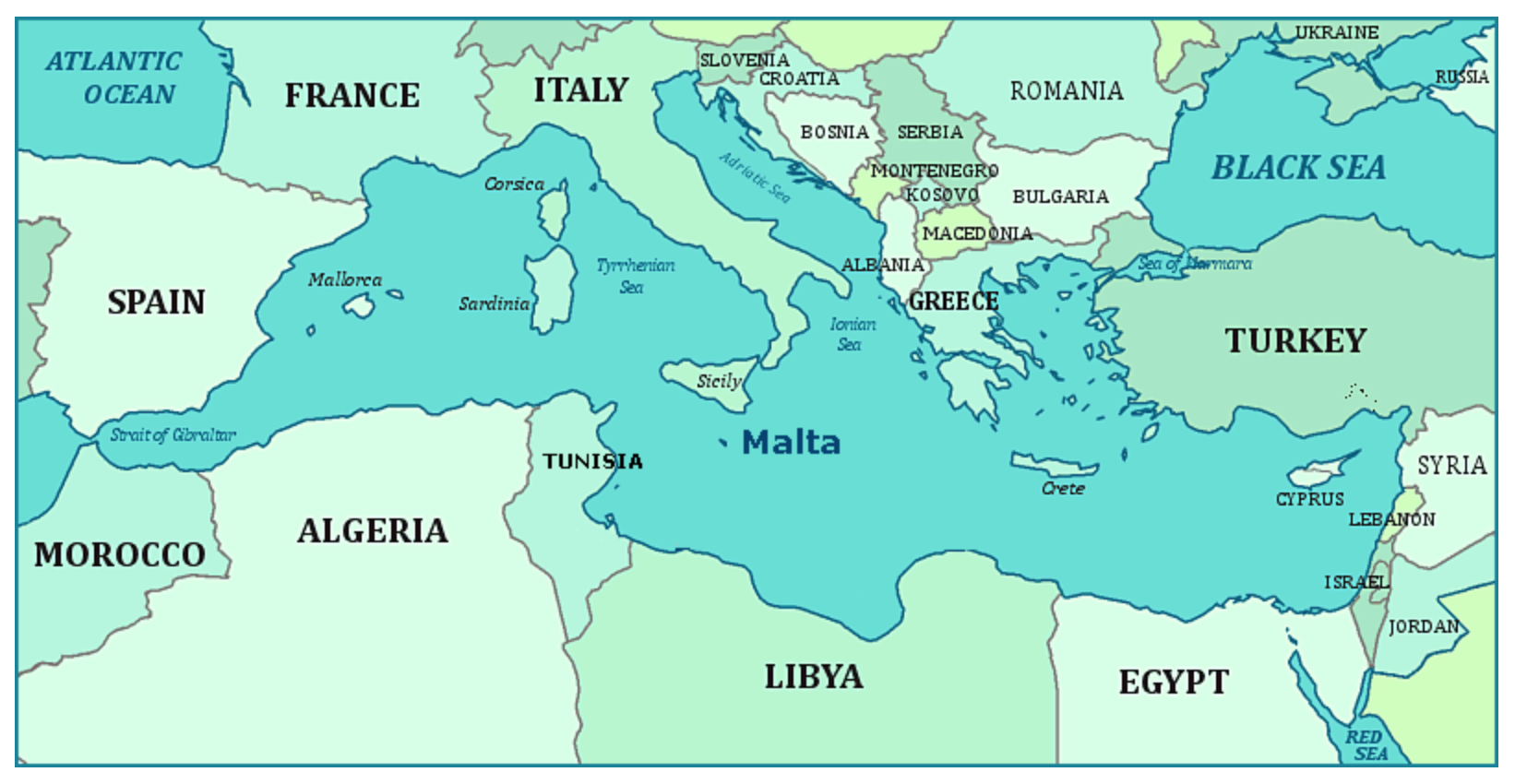
I wanted to write about this lesser known World War 2 conflict for many reasons. That it is not well known does not diminish the terrible brutality of the conflict nor its pivotal importance in the outcome of the entire war. Canadians made up a large majority of Commonwealth pilots who flew and defended the Island of Malta as Nazi Germany and Fascist Italy launched multiple daily air attacks from their bases on nearby Sicily for most of 1942.
The current and erratic leadership of the United States is threatening decades of the NATO alliance and trade relationships that have fostered an unprecedented period of prosperity and global peace. The last time Canadians had to fight on a global scale they left an enduring legacy that even the young people of Europe today know and revere. Sadly, not so much the young people of Canada who often view the Canadian Armed Forces … as a joke. This is the Canadian ethos, rightly or wrongly. We maintain poor armed readiness when not at war because we have no designs on territorial conquests, perhaps because we have so much land, water and everything else. Or perhaps we heeded Eisenhower’s departing remarks warning his people about the military industrial complex that have deprived generations of Americans from basic universal healthcare. But when Canada is called to fight for a righteous cause, her men and women fight with distinction and ferocity because they intimately know the freedoms which they are defending and the consequences if the opposition should prevail. Canada’s soldiers have always been volunteer civilians and this speaks to their motivation and fighting quality. The individuals in the Siege of Malta were everyday, regular Canadian citizens who performed heroic deeds, endured hellish privations, and often made the ultimate sacrifice because they felt a duty to the greater sphere of humanity. In the modern age, we have forgotten where true heroes comes from and now worship the heroism of celebrity – be it elite athletes, actors or musicians.
In 1942, German Field Marshal Erwin Rommel was rampaging North Africa with his army, the Afrika Korps. He was confident of beating the 600,000 strong British 8th Army and conquering Egypt which would give Nazi Germany access to the oil fields of Iran and deprive Great Britain of that very resource. Hitler believed the combined losses at Dunkirk, Singapore and now Egypt would force Great Britain to negotiate for peace and allow him to fight only on one front with the Soviet Union. Certainly with her sidelined, the Allies could never launch D-Day without Great Britain as a staging area. With Imperial Japan at India’s frontiers, there was also the likelihood of a land link up between Nazi Germany and Imperial Japan, where Japan could have easier access to German technology and Germany having easier access to the invaluable rubber fields of Indonesia.
The only thing preventing total victory in North Africa was the island fortress of Malta, 60 miles due south of Sicily. She was in essence, an unsinkable aircraft carrier whose British fighters and bombers attacked and sank the vital Italian shipping that supplied Rommel’s forces. Plans were drawn up to deploy 100,000 German soldiers in a combined paratroop and amphibious invasion of Malta once air superiority had been established and to that goal 800 German and Italian aircraft were assembled at the 17 airstrips throughout Sicily. Both German and Italian pilots and aircrews were seasoned combat veterans and some German fighter pilots were amongst the war’s highest scoring aces having experienced intense combat on the Eastern Front. Now they could all enjoy the idyllic Mediterranean summer weather and the beautiful scenery while being well fed on the fresh seafood and local farm harvest of Sicily. Bomber crews would fly with hampers stuffed with wine, cheese, cake, bread, sausages and fruits, such was the abundance.
The contrast to Malta was stark. She was a medieval fortress under siege. The German and Italian Navies controlled the Mediterranean Sea and Malta could only be resupplied with food, petrol, oil and munitions by merchant vessels. British RAF Spitfire fighter planes did not have the range to fly from Great Britain and were not designed to be launched from an aircraft carrier so initially the older and less capable Hawker Hurricanes¹ had to fly in from North Africa to replace Malta’s losses. A tenuous lifeline was maintained by shipments via submarine but as you can imagine submarines can hold very little cargo. It wasn’t until large convoys supported by Royal Navy battleships could run the blockade that Malta would occasionally be resupplied with Spitfires and food, the two most important imports. Throughout 1942 her population of a quarter million and the Commonwealth soldiers and pilots existing on a starvation diet and suffered all sorts of accompanying disease and illnesses.
Despite all this, and despite what on paper looked like an overwhelming advantage to the Axis Forces – the Siege of Malta was not a sure or done deal. The German pilots and aircrews were flush with confidence from their victories on the Eastern Front, but they had been flying against the poorly trained and equipped Soviet Air Force. Canada had been training hundreds of thousands of air force personnel since 1939 under the British Commonwealth Air Force Training Program, safe and far from the front lines and graduating pilots to a consistent high level of ability. The Canadian Command structure was also more relaxed and spurred innovation and the adoption of new tactics. And throughout the ordeal, morale amongst the aircrews always remained high while that of the German and Italians kept dropping with every one of their planes shot out of the sky. The Canadians were fighting for their very survival and that makes all the distractions and vagaries of life disappear as they drop out of focus.
Canadian Squadron Leader Stan Turner (from Toronto) got his first glimpse of Malta in February 1942 while he and his men were travelling under the cover of darkness in a Sutherland flying boat. Dawn was just breaking over the tiny 7×14 mile island and the Germans were already attacking with a line of Me Bf-109s as five tired and worn out Hurricanes scrambled for altitude. The ace with 10 kills from Dunkirk, Battle of Britain and over France immediately banned traditional line astern formation for V formation flight so that all pilots could see ahead of them and cover each other’s blind spots. He made pilots wait fully dressed in battle gear so that no time would be wasted when an alert was called and he insisted all pilots form up south of Malta so that they could be attacking out of the Sun against enemies flying from Sicily in the North. Turner also taught his men to attack bombers from the front instead of the customary rear. A frontal assault meant the closing speeds were very high and gave little opportunity for the bombers to return fire and pilot had a clear shot at cockpit and engine targets. This also spooked bomber pilots who would panic and go into evasive maneuvers breaking up their formation and making individual bombers more exposed for attack.
But the situation on the ground was beyond desperate. Only a dozen Hurricanes could fly and two of the three airfields were flooded by heavy winter rains. He had men working around the clock and pilots helping to service their own planes to boost Malta’s operational fleet to 20 aircraft.
On March 1st, the underground radar operators in Malta were aghast to see hundreds of incoming enemy aircraft. Thirteen Hurricanes were all that could be sent up to intercept and most were lost to enemy action. In retaliation, Malta sent ten Wellington bombers to Palermo habour and sank three Italian transports and damaged 40 others which were taking on tanks and ammunition for Rommel. The Germans sent sortie after sortie 24 hours around the clock destroying all but one Wellington bomber and a handful of old Swordfish biplanes which carried anti ship torpedoes. These survivors led a charmed life and went out night after night to attack enemy convoys headed for Tripoli (Libya).
Churchill realized how dire the situation in Malta was and ordered the delivery of 16 Spitfires aboard the antiquated, First World War era HMS Eagle aircraft carrier. Unfortunately, this Eagle would only dare penetrate into the Mediterranean just east of the Gibraltar where the thousand kilometer flight to Malta was just within reach of the Spitfires, if they could actually take off successfully. The Eagle was designed for cloth covered biplanes and its flight deck was very short, less than 400 feet. The queued up Canadian pilots watched each Spitfire, one after the other disappear from view as it cleared the leading edge of the flight deck and apparently fell into the ocean only to appear in the distance as it clawed for altitude just above the waves.
The citizens of Malta celebrated the appearance of the Spitfires but there were still too few of them. When the enemy arrived in the hundreds, their bombers were often damaged and even driven off but not destroyed because the Spitfires didn’t have time to press home their attacks before being jumped by the escorting Bf-109 or Italian Macchi 202 fighters. Flight school had also spent too much time on formation flying rather than gunnery skills and this was true for both sides of the conflict, except the defenders of Malta were not permitted to hone their skills with practice because of ammunition always being in short supply. Meanwhile the citizens of Malta suffered greatly as the German and Italians began indiscriminate bombing of civilian buildings to make the island nation simply unliveable, not unlike the Israeli action on the City of Gaza we see today. What if Israel’s goal is not to root out Hamas hideouts but to force Gazans to simply abandon their home forever? The plight of Israeli hostages seems to have been entirely forgotten by the government who wears the role of oppressor with increasing authenticity, day by day.
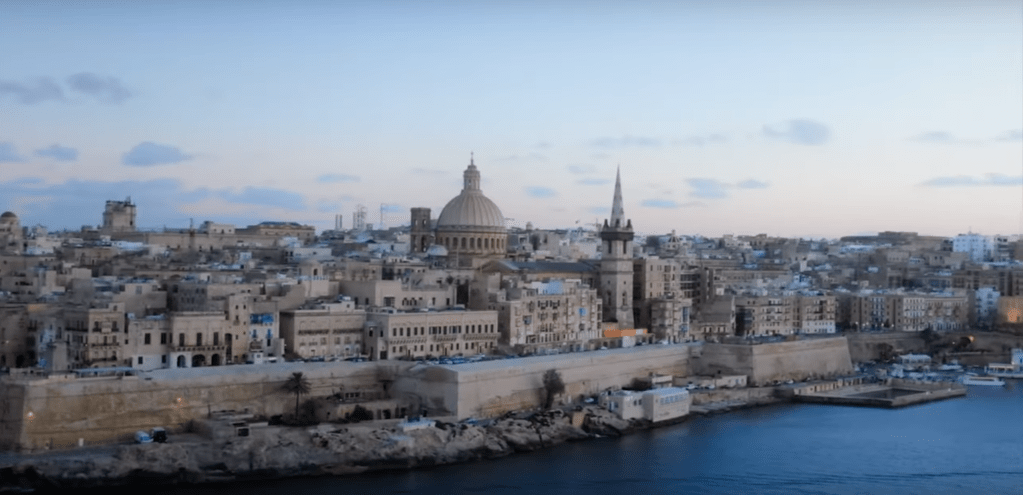
The brave exploits and sacrifices of the merchant marine are often forgotten since they are not considered an official branch of any country’s armed forces but are certainly a vital faction. In March, four merchant marine vessels carrying 26,000 tonnes of badly needed material were escorted by the Royal Navy. The Italian Navy sent one battleship, three cruisers, and 10 destroyers to intercept them. The British sunk three Italian vessels and damaged the battleship but the delay allowed the German Luftwaffe and Italian Regia Aeronautica to attack the convoy with hundreds of aircraft. Three of the merchant marine ships were sunk with all hands and the last managed to limp into harbour only to be destroyed with its precious cargo still onboard when dockworkers refused to unload her, perhaps rightly anticipating how dangerous that job would be. The Malta Spitfires continued to make the enemy pay but in the end the Malta submarine base was destroyed, along with a fuel depot and the Governor’s Residence!
On March 21st, 200 bombers appeared and and dropped 185 tonnes of explosives on Takali airfield as well as 900kg armour piercing bombs designed to penetrate 15 meters of solid rock to destroy possible underground bunkers turning the runway into the surface of the Moon and putting it out of action for some time. On March 26th, only four Spitfires were available but one was piloted by Nova Scotian Bucky McNair who proceeded to take down three Ju-88 bombers and a Stuka divebomber. By the month’s end, 31 enemy planes had been shot down for a loss of only a dozen Spitfires and Hurricanes, along with a further 29 aircraft which had been destroyed sitting on the ground. Ten Hurricanes also arrived from North Africa and a further 9 Spitfires from another Eagle delivery but the Axis forces also replaced their losses. Why Hitler hesitated and did not order a land invasion at this point is unknown because the small Malta Air Force was insufficient to resist.
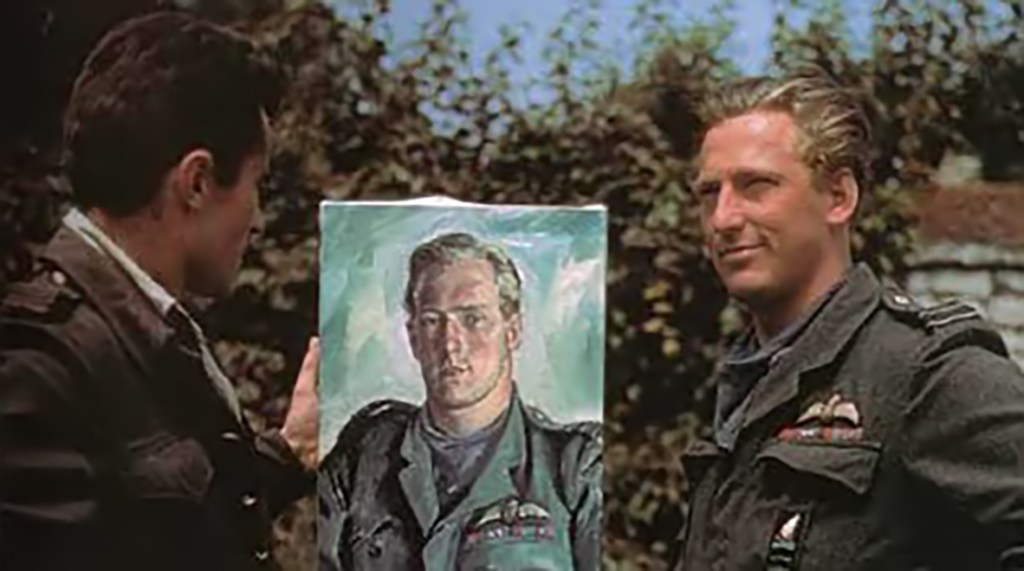
Canadian fighter pilot Skip McKay celebrated his 21st birthday on April 1st by shooting down a Ju-88 in his Hurricane, landing to refuel and reload before intercepting a flight of 70 Luftwaffe planes wherein he damaged a Stuka before being chased back home by a pair of Bf-109s after diving to sea level to escape. The German fighters were so numerous and so aggressive that they would chase and harass the Malta pilots even while they were landing back at base. On April 10th, Canadian pilot Garth Horricks stunned the Luftwaffe by shooting down German Ace Hermann Neuhoff with 40 confirmed kills. He crashed into the Mediterranean and was captured by British rescue launch to become a POW. The enemy responded in kind by downing five Hurricanes but all the pilots survived.
By now, the RAF Squadrons of Malta were down to …. three fighters. And the antiaircraft gunners were so low on ammo that were restricted to firing only 15 shells …. per day each. Ammunition in a trickle was being resupplied by submarine only. On April 19th, seven Hurricanes flew 1600 kilometers from North Africa to arrive at Malta during an air raid. Since the Hurricanes were not designed with drop tanks and had been flying carrying extended range fuel tanks, they had difficulty evading the Bf-109s but six landed safely. Now there were …. NINE!
Finally, on April 20th, Der Fuhrer’s birthday; the large and modern American aircraft carrier USS Wasp launched 50 Spitfires towards Malta and the enemy prepared to have 270 bombers and 200 fighters attack Malta at the same time the Spitfires were due to land. All the Malta fighters went up to try and defend the Spitfires and ultimately seven were lost. Bucky McNair got himself two BF-109s and a Ju88. The next day, newly arrived Canadian Stan Brooker was shot down by a Bf-109 and then killed by the same enemy pilot as he descended in his parachute. This cruelty was certainly not one sided. Any downed enemy pilot was fair game for the citizens of Malta who would generally beat them to death on the spot. But some Canadians were eminently professional. Johnny Sherlock was from Calgary and had met many German university students before the war while skiing in Banff and Lake Louise. Fighter pilot Eric Crist played checkers with a Stuka pilot while both were recovering in the hospital. “They were doing the same job as us”, is the way he saw it.
Typhoid fever broke out after repeated bombings caused raw sewage to contaminate the drinking water infecting hundreds. Polio appeared killing 17 and crippling 400 more. Scabies, a tick like parasite, infected thousands causing unrelenting itching and rashes. The meagre food rations caused people to begin eating the hundreds of black and orange cats that roamed every street. The resultant explosion of the rat population was in turn put under control by offering school aged boys a bounty for every rat killed. And these in turn were eaten. The 20,000 head of cattle had been slaughtered and eaten by April. The next came the goats and a loss of milk production. Chickens were spared because eggs continued to be precious.
On May 8th, the supply ship HMS Welshman departed Gibraltar carrying dehydrated food, canned meat, ammunition, powdered milk, aircraft engines, and a hundred aircraft mechanics. Disguised to appear as a Vichy destroyer, she was also designed to steam at an unheard of 40 knots². She successfully docked in Malta, unloaded and sped back to Gibraltar without incident. Then on May 9th, the Wasp and the Eagle sent 63 Spitfires to Malta.
The next morning, 20 Stukas and 29 Ju88s with a small fighter escort were met with 50 RAF planes, 37 Spitfires and 13 Hurricanes in a rare reversal of numerical superiority and the Germans were given a terrible beating as 14 bombers fell from the sky and the rest fled with damage. Only two Spitfires were lost. A second German raid in the afternoon suffered the same fate. In the evening it was the Regia Aeronautica’s turn with a large 30 fighter escort and only six of the trimotor Italian Cant Z.1007 bombers. They fared no better and were beaten off. Importantly none were able to drop their deadly payloads.
Bucky McNair shot down two more Bf-109s at the end of May and was awarded the DFC. But the food situation was getting increasingly desperate and for that reason alone might require Malta to surrender to the Axis.
.
.
¹ Canada built nearly 1,500 Hawker Hurricane fighters from 1938 to 1943 in Thunder Bay, Ontario.
² The HMS Welshman had the engines of a light cruiser but only displaced one third of one, allowing her to literally steam at 40 knots.
.
The Siege of Malta (1942) – Part 2

 Jim Chung's Ramblings